How to Prepare Technical Documentation for Manufacturer Export from Israel
When a global buyer writes documentation requirements right into your contract, meeting those rules is just as important as building the hardware itself. Your paperwork must match exactly what they ask for: in their language, in their format, and ready the moment the equipment is complete. Many do not realize the extent of the harm that getting this wrong will cause. Late or incorrect documentation directly delays final approval, holds up your milestone payments, and can even force you to renegotiate the contract.
This article is a practical guide for Israeli companies preparing technical documentation to export to global manufacturer customers. It explains what buyers expect, what to gather before you quote, and the most common reasons documentation gets rejected.
What global buyers expect in 2026
Documentation requirements vary by buyer and industry, but a few patterns hold across most contracts:
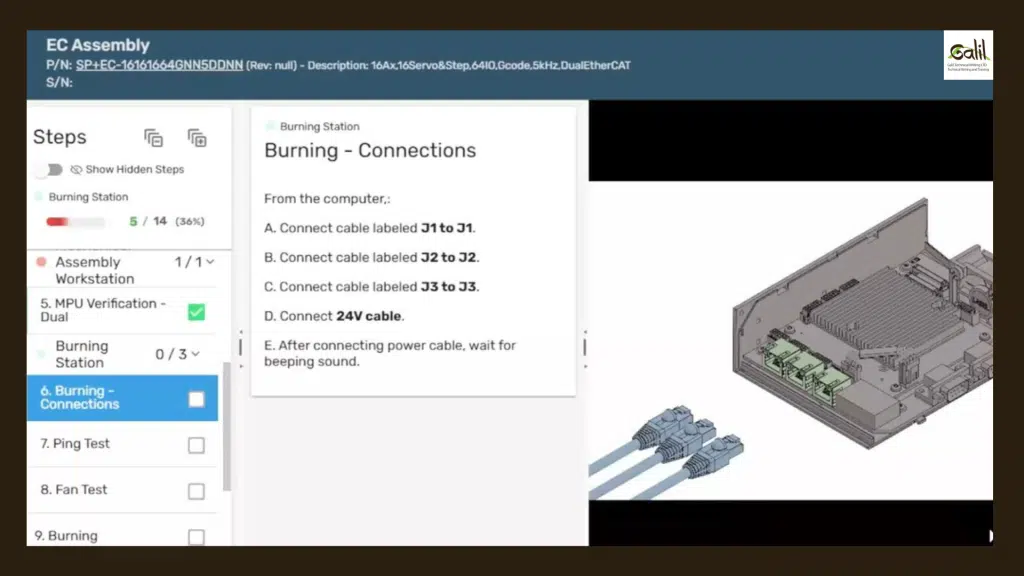
- Interactive digital format, not flat PDF, for complex equipment
- A documentation set aligned to the buyer’s technical publication specification
- Multimedia work instructions for procedures with motion or spatial complexity
- Parts catalog data ready for ingestion into the buyer’s spare parts system
- Language and regional variants (English minimum, others as specified)
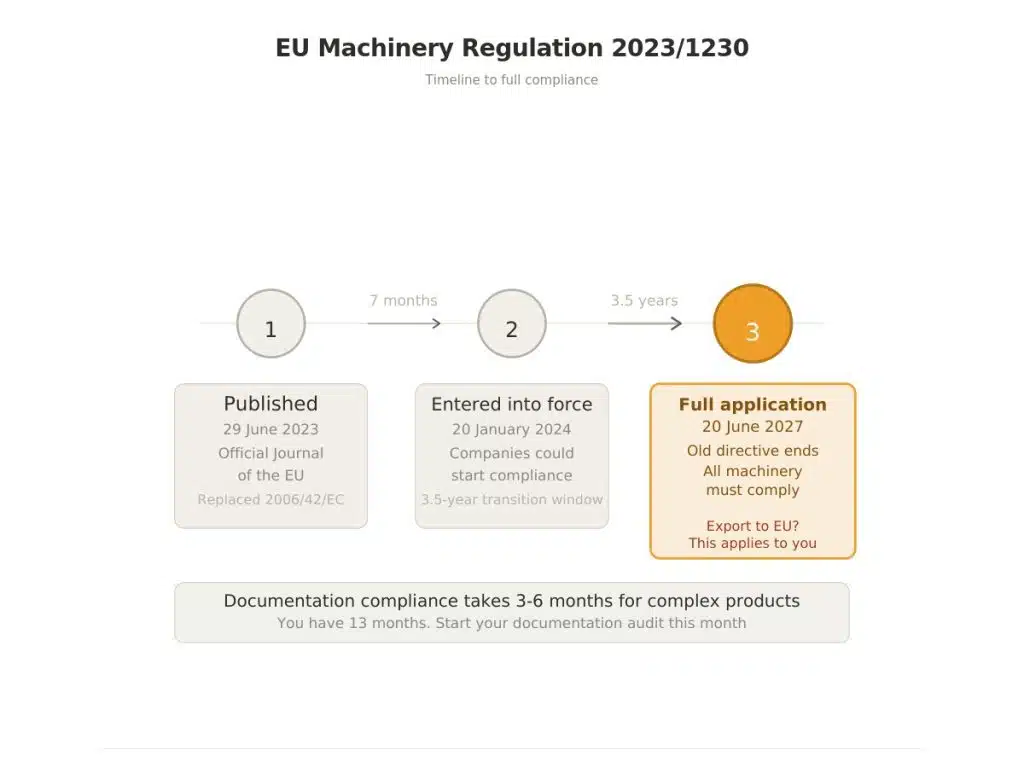
- Compliance with relevant regional regulations (EU Machinery Regulation 2023/1230, FDA, regional safety standards)
- Configuration management that supports updates without republishing the whole manual
In defense and aerospace, the requirements are even stricter: you will need full Integrated Logistics Support (ILS) packages, Interactive Electronic Technical Manuals (IETMs), structured parts data, and rigorous acceptance testing against detailed specifications.
What to prepare before you quote the documentation work
Most documentation projects fail at the start, not the end. Before scoping or quoting, be sure to gather:
- The contract documentation clause: Read it carefully. Look for words like “interactive,” “electronic,” “structured,” and any reference to a technical publication specification. These words drive cost and format.
- The buyer’s technical publication specification: Ask the buyer for this document directly. If they have one, build your plan backwards from it, since it sets the structure, metadata, file types, and approval rules.
- Existing source data: Bill of materials, 3D models, schematics, internal procedures, prior manual revisions, safety risk assessment, and any prior acceptance documentation.
- The timeline back from delivery: Documentation must be ready when the equipment is. Work back from the acceptance milestone, not from when engineering finishes design.
- Engineering availability for knowledge extraction: Plan for 2 to 3 structured sessions with senior engineers and assemblers. Block the calendar early.
The five most common reasons manufacturer acceptance fails
- Wrong format The contract explicitly asked for an IETM , but the supplier sent a standard PDF, leading to an immediate rejection.
- Inconsistent terminology A single part is called three different names across different sections , causing reviewers to flag every single instance.
- Missing safety content The manual leaves out safety warnings for risks that were already flagged in the official risk assessment , causing compliance to fail.
- Parts catalog mismatch The parts listed in the catalog do not match the final, as-built machine , which breaks the buyers service planning..
- Late delivery The documentation arrives weeks after the equipment , meaning the buyer cannot start acceptance testing and your milestone payments get delayed.
All of these issues are easy to prevent if you start creating documentation at the exact same time design begins, instead of waiting until the end.
Why Israeli exporters choose a specialized partner
Israeli exporters usually run lean engineering teams that simply do not have the spare hours to build export-grade documentation. A specialized partner brings deep experience across industries like industrial manufacturing, semiconductor, defense, and medical equipment. They also provide structured workflows, multimedia tools (like 3D, video, and augmented reality), and the professional credentials that global buyers demand.
Frequently asked questions (FAQs)
What documentation is required for industrial export contracts? At a minimum, you need installation, operation, service, safety manuals, and a parts catalog. These must be in the buyers chosen format (often an IETM), written in the required languages, aligned with their technical specifications, and fully compliant with regional laws.
How early should documentation work start before delivery? Ideally, work should begin as soon as the design is frozen. For a single machine, expect about 60 working days of documentation work to run in parallel with the build. For complex ILS packages and IETMs, you should plan for even longer.
Can existing manuals be upgraded for export, or do I have to start over? You can reuse your existing content, but be ready to restructure it for IETM formats, add multimedia for complicated steps, and reformat everything to match the buyers exact specifications. Simply converting the file type rarely works.
Talk to Galil Technical Writing
If your next OEM contract has a documentation clause that worries you, let us read it together before you quote.
Galil Technical Writing has prepared technical documentation for 63 Israeli manufacturers. ISO 9001:2015 certified. Misgav, Northern Israel. Contact us at Tamir@galiltc.co.il